Property News
Buying property in Singapore, Navigating property prices in Singapore, Property market insights in Singapore, Real estate investment in Singapore, Singapore property market analysis, Singapore property market forecast, Singapore property market regulations, Singapore property market trends, Understanding Singapore property market
Avery Bailey
0 Comments
Your Guide to Navigating the Singapore Property Market
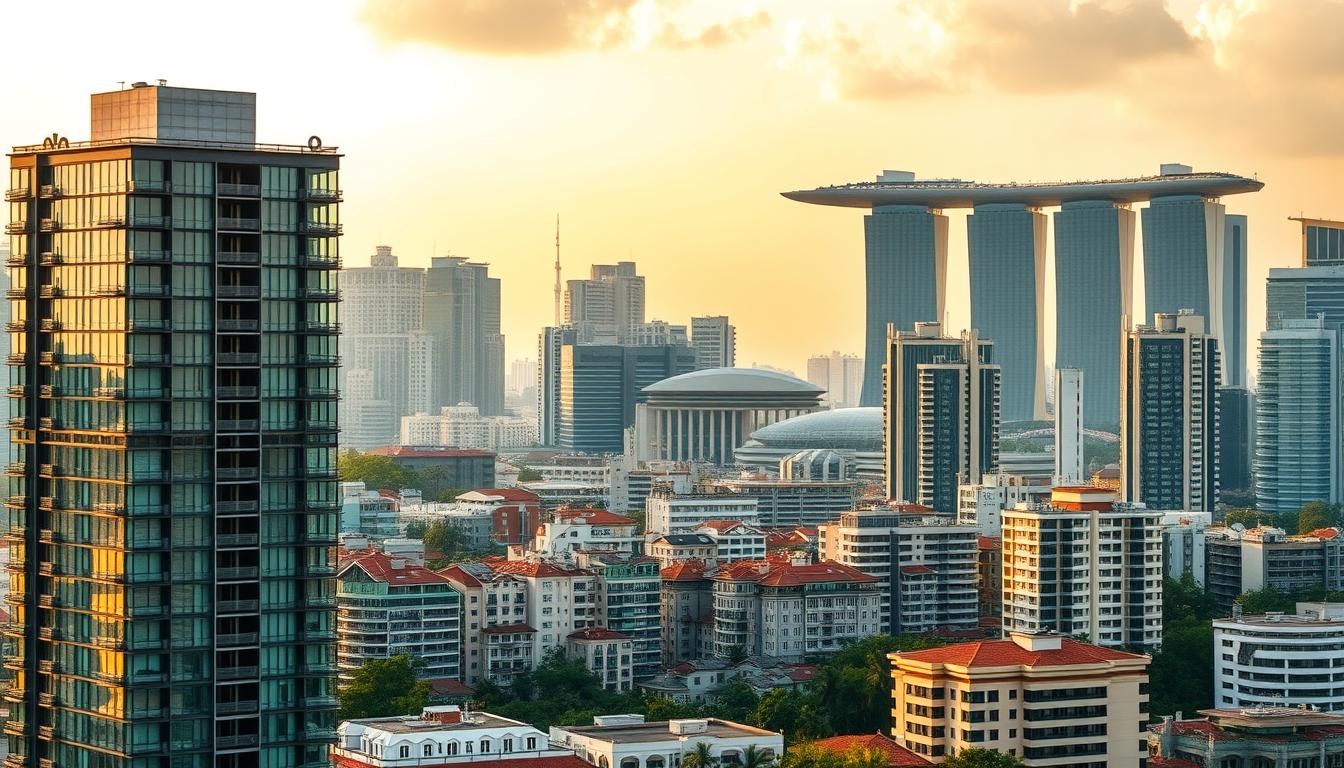
Singapore’s real estate market is known worldwide for its stability and investment appeal. It draws both local and foreign buyers. This guide will help you understand the Singapore property market better. You’ll learn about different property types, important regulations, and financial commitments.
You’ll also get insights into current trends and how they affect the market. With this knowledge, you can make smart choices and take advantage of the opportunities here.
Key Takeaways
- The Singapore property market is known for its stability and attractive returns.
- Foreign investors benefit from tax advantages, including no capital gains tax.
- Understanding different property types is key before investing.
- Government regulations play a big role in the buying process.
- Current market trends offer clues about future developments.
- Making informed decisions can improve your investment outcomes in Singapore’s real estate.
Understanding the Singapore Property Market Landscape
The Singapore property market is always changing. It’s influenced by the world economy, local demand, and government policies. These factors affect property prices, so it’s important for investors to keep up.
Key Factors Influencing Property Prices
Many things affect property prices in Singapore. The economy, interest rates, and foreign investment trends all play a part. Key factors include:
- Economic growth rates impacting demand for housing.
- Government policies that regulate buying and selling processes.
- Changes in foreign buyer restrictions affecting market accessibility.
Overview of Property Types Available
Singapore has many property types to choose from. These include:
- HDB flats, which are public housing options for Singaporean citizens.
- Private condominiums, available for both locals and foreigners, with great amenities.
- Landed properties, which offer more space and privacy but cost more.
Each property type has its own rules, so it’s important to know what you can buy.
Government Policies and Regulations
Government policies are very important in the Singapore property market. They help keep the market healthy and ensure affordable housing. Key policies include:
- Additional Buyer Stamp Duty (ABSD) on foreign buyers to control demand.
- Rules on buying HDB flats for non-citizens to help citizens first.
- Cooling measures to keep prices stable and prevent too much buying.
Knowing these policies is key for anyone looking to invest in Singapore’s property market.
Popular Residential Areas in Singapore
Singapore’s residential areas offer a wide range of living options. From bustling city centers to quiet outskirts, there’s something for everyone. Knowing these areas is key for those looking to buy a condo in Singapore.
Insights on Districts 1 to 9
Districts 1 to 9 are home to Singapore’s most sought-after addresses. They feature luxury condos and high-end developments. These areas attract expats and wealthy locals with their:
- Easy access to business districts
- Wide range of dining, shopping, and entertainment
- Close proximity to top schools and healthcare
Exploring the Outer Regions
The outer regions of Singapore offer more affordable housing. They are perfect for families wanting spacious homes. Key features include:
- Lower prices for bigger units
- Quieter areas with community amenities
- Parks and spaces great for family fun
Comparing HDB vs. Private Condos
Buyers often weigh public HDB flats against private condos. Each has its own advantages:
- HDBs are cheaper, ideal for first-time buyers
- Private condos offer amenities like pools and gyms
- Location access varies between the two
The Process of Buying Property in Singapore
Buying property in Singapore is a detailed process, more so for foreign buyers. It’s important to know the legal requirements to avoid problems. This guide covers the documents needed, financing options, and how to own property.
Legal Requirements for Foreign Buyers
Foreign buyers must follow certain legal steps when buying property in Singapore. Key points include:
- Getting the Option to Purchase (OTP) first.
- Knowing which properties you can buy, like condos or HDB flats.
- Following the Foreign Ownership Act rules.
Steps for Securing Financing
Getting a loan is a big part of buying property. Foreign buyers face stricter rules. Here are the steps:
- Figuring out the down payment, usually 25% of the property’s value.
- Learning about the Loan-to-Value (LTV) and Total Debt Servicing Ratio (TDSR).
- Talking to banks or advisors for the right loan.
Understanding Property Ownership Structures
There are different ways to own property, each fitting different investment plans. Options include:
- Sole ownership, where one person owns the property.
- Joint ownership, where several people share the title.
- Tenancy arrangements for when multiple people live in a property.
Investing in Singapore Real Estate
Investing in Singapore’s real estate is a great way to build wealth and secure your financial future. The market is strong and the political climate is stable, leading to steady growth in property values. It’s important to understand the real estate landscape in Singapore to make the most of your investment.
Benefits of Investing in Singapore Properties
Investing in Singapore’s property market comes with many benefits. These include:
- Strong demand due to a growing population and limited land.
- High rental yields compared to other cities.
- Supportive government policies for foreign investors.
- Many financing options to help you get started.
Risks and Considerations
While the benefits are attractive, it’s important to be aware of the risks. These include:
- Market ups and downs that can affect property values.
- Changes in laws that could impact ownership and taxes.
- High upfront costs and ongoing maintenance expenses.
- Availability of loans and the risk of rising interest rates.
Tips for First-Time Investors
First-time investors can increase their chances of success by following these tips. These strategies help you understand the market:
- Make a detailed investment plan that includes your goals and budget.
- Do thorough research to grasp market trends and property types.
- Consider getting help from real estate experts to understand local conditions.
- Keep up with legal requirements and any changes in laws.
Renting vs. Buying in Singapore
Choosing between renting and buying in Singapore needs careful thought. You must consider your financial situation, personal wishes, and future plans. Each choice has its own effects on your life.
Factors to Consider When Renting
- Flexibility: Renting lets you move easily without a long-term commitment.
- Upfront Costs: It usually costs less than buying a home, making it easier to start.
- Maintenance Responsibility: Landlords handle repairs, saving you from unexpected costs.
Pros and Cons of Buying a Home
- Equity Building: Buying a home can help you build wealth over time.
- Stability: Owning a home can provide a stable place to live, perfect for families.
- Longer-term Costs: The initial cost and ongoing maintenance can be complex.
The Rental Market Overview
The rental market in Singapore shows different trends based on location and demand. Rental prices vary, showing the changing needs of people. Knowing this can help you decide between renting and buying.
Current Trends in the Singapore Property Market
It’s key to know the current market trends in Singapore’s property market. Economic changes affect housing demand and prices a lot. There’s also a big push for sustainable and smart real estate. Let’s look at the recent shifts in singapore property trends.
Impact of Economic Changes
Economic changes really impact property demand and prices. Things like interest rates, job rates, and GDP growth matter a lot. Investors and buyers need to keep up with these changes to understand the market better.
Sustainability in Real Estate
More people want eco-friendly homes, leading to a rise in sustainable real estate. Builders are now using green materials and methods in their projects. This move supports global efforts to be more sustainable and reduce our carbon footprint.
The Rise of Smart Homes
Smart homes are getting more popular in Singapore thanks to new tech. Features like smart security, energy control, and appliances meet today’s needs. These advanced homes are becoming a top choice for buyers.
Engaging a Real Estate Agent
Finding the right real estate agent is key in Singapore’s property market. They know the market trends and make buying or selling easier. Choosing the right agent is important for smooth transactions, as they handle negotiations and paperwork.
How to Choose the Right Agent
Choosing a good real estate agent takes a few steps. Start by looking at agents with a good track record in Singapore. Ask friends or family for recommendations. Check online reviews and make sure they are qualified.
A good agent will listen to you and give advice based on their experience. They should understand your needs.
The Role of Agents in Transactions
A good agent is important in property deals. They help set prices, show properties, and negotiate. They also have industry contacts for better deals.
Having an agent can make buying or selling less stressful. They help with the paperwork and deal with the market.
Commission Rates and Fees
It’s important to know about commission rates. In Singapore, these are usually 2% of the sale price. Talk to agents about their fees before you agree to work with them.
This way, you can plan your budget without surprises. It helps you stay on track financially during the transaction.
Understanding Property Valuation in Singapore
Property valuation in Singapore is key for buyers and investors. There are many ways to value properties, helping find their true worth. Knowing these methods and market trends helps make smart investment choices.
Methods Used for Valuation
The main ways to value properties include:
- Comparative Method: This looks at similar nearby properties to set a fair price.
- Investment Method: It checks the property’s rental income and growth to value it.
- Cost Approach: This method values the property based on its replacement cost and depreciation.
Importance of Market Trends
Knowing market trends is vital for buyers. It shows how property values change over time. Watching supply and demand, interest rates, and the economy helps make smart investments. Spotting these trends helps predict price changes.
Common Misconceptions
Future Outlook for the Singapore Property Market
The Singapore property market is full of mixed signals. Analysts are watching closely, balancing challenges and opportunities. They predict a softening in property prices due to inflation and interest rate changes. This means we need to keep an eye on market trends to find the best times to buy or invest.
Predictions for Price Changes
Experts say Singapore’s property prices might change as the economy shifts. Some areas, like affordable housing, are doing well. But luxury condos might see a drop due to too many options. It’s important for buyers to watch these trends to make smart choices.
Upcoming Developments and Projects
New projects are coming that will change the market. The Housing and Development Board (HDB) and private developers are working on new homes. These projects will meet the needs of Singapore’s growing population and improve community living.
The Role of Technology in Property Trends
Technology is changing the property world. It’s making property management easier and improving the customer experience. With AI and virtual tours, navigating the market will be different. Staying up-to-date with these tech advancements is key to success in real estate.
FAQ
What are the key factors influencing property prices in Singapore?
Several factors affect property prices in Singapore. These include the economy, government rules, and global interest. Recent cooling measures, like higher Additional Buyer Stamp Duty (ABSD) for foreigners, also play a role.
What types of properties are available for purchase in Singapore?
Singapore’s property market offers many types. You can find Housing Development Board (HDB) flats, private condos, and landed properties. Each type has its own rules for foreign buyers.
What are the legal requirements for foreign buyers in Singapore?
Foreign buyers face certain rules. They can’t buy public housing. They need an Option to Purchase (OTP) and a 25% down payment. It’s key to know the Loan-to-Value (LTV) and Total Debt Servicing Ratio (TDSR).
What are the benefits of investing in Singapore real estate?
Investing in Singapore real estate is stable and has a favorable political climate. It can grow in value over time. Plus, there are tax benefits, like no capital gains tax.
What are the risks associated with property investment in Singapore?
Investing in property here comes with risks. The market can change, and financing rules are strict. Legal complexities, more so for foreigners, are also a concern.
How does renting compare to buying property in Singapore?
Renting offers flexibility and fewer long-term commitments. Buying builds equity but requires more financial investment. Choose based on your financial situation and goals.
What current trends are impacting the Singapore property market?
Trends include a focus on sustainability and eco-friendly housing. Smart home technology is also advancing, meeting modern consumer needs.
Why is choosing the right real estate agent important?
A good agent provides valuable insights and helps with paperwork. They can also negotiate better deals. Knowing the 2% commission is important for budgeting.
What methods are used for property valuation in Singapore?
Valuation methods include comparison, investment, and cost approaches. Understanding these is key for making smart investment decisions.
What does the future outlook for the Singapore property market look like?
The future is uncertain, with possible price changes due to economic factors and demand shifts. New developments will shape the market.


