Singapore Property Prices: What You Need to Know
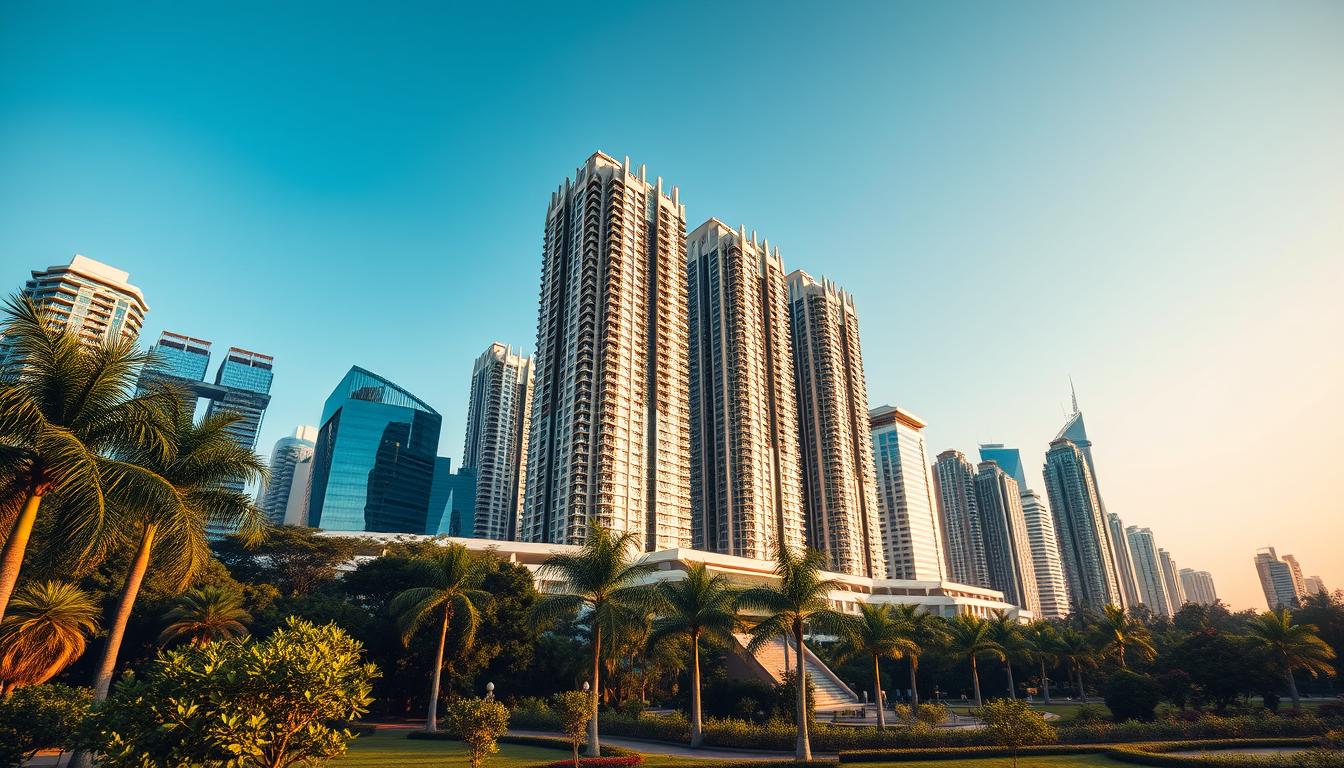
Understanding Singapore’s property prices is key for investors and homeowners. Singapore is one of the priciest places for real estate in Asia. Prices for small two-bedroom apartments can hit around $2 million in top spots like Orchard and the Central Business District.
More than 80% of Singaporeans live in public housing managed by the Housing and Development Board (HDB). This shows a big wealth gap due to rising real estate prices. Even with recent price drops, there’s hope for the future of the property market.
Key Takeaways
- Singapore’s housing market is among the most expensive globally.
- A significant portion of the population lives in public housing.
- Investors should be aware of ongoing trends affecting property prices.
- The real estate price index in Singapore shows varying growth rates.
- Long-term investment in Singapore’s property market remains promising despite price changes.
Overview of Singapore Property Market
The Singapore property market is showing strength despite ups and downs in the economy. In 2023, property prices keep going up, thanks to strong demand from locals and foreign investors. The singapore property prices are growing, showing how the market is adjusting to new situations.
Key Trends in 2023
This year, more people are interested in buying, with a focus on high-end properties. The market is seeing a lot of investment, showing a preference for luxury homes. Buyers are feeling more confident about real estate, thanks to the market’s outlook.
The housing price trends singapore are influenced by a shortage of homes. This shortage is made worse by the COVID-19 pandemic.
Historical Price Movements
Looking back, the market has seen big ups and downs. Past downturns tested the market’s strength, but it bounced back quickly. The singapore property market analysis highlights how government policies and economic plans helped the market recover.
Current State of the Market
Today, the market is stable, thanks to a good economy. The demand for high-end homes and a limited supply of housing have kept prices strong. In this fast-changing market, it’s important to keep an eye on trends and understand what affects local real estate.
Factors Influencing Property Prices
Many things affect the ups and downs in Singapore property prices. Knowing these factors is key for those looking to invest in real estate.
Economic Indicators
Important economic signs greatly impact property prices in Singapore. The country’s GDP growth shows more wealth and spending power. This usually means property values go up as more people can buy real estate.
Keeping an eye on the economic forecast helps buyers make smart choices.
Government Policies
Government rules are also big players in the property market. New housing plans and cooling measures change how buyers feel and what they can afford. These steps help keep the market stable and growing.
Staying updated on these policies helps investors understand the market better.
Foreign Investment Impact
Foreign money, mainly from mainland China, shapes the Singapore property market. This interest helps keep prices stable. Investors need to watch how foreign money affects demand and prices.
Types of Properties in Singapore
Singapore offers a wide range of properties for different needs and budgets. You can find residential, commercial, and industrial properties here. Knowing about these types helps you understand the changing property prices and trends in Singapore.
Residential Properties
In Singapore, you’ll find HDB flats and private condos. HDB flats are affordable and subsidized by the government. On the other hand, private condos in top spots are pricier, with luxury condos costing up to $20,000 per square meter.
Commercial Properties
Commercial properties include office spaces and shops in business areas. They are key for economic growth and attract businesses worldwide. Prices for these properties can change based on demand and the economy.
Industrial Properties
Industrial properties are for manufacturing and logistics. They support Singapore’s diverse industries. These properties range from factories to warehouses, designed for various operations. The trends in this market show Singapore’s development and economic plans.
Understanding the Property Purchase Process
Buying property in Singapore involves several important steps. It’s key to know about legal matters, financing, and mortgage options. Also, understanding duties and taxes is vital. This knowledge helps buyers make smart choices that fit their budget and goals.
Legal Considerations
Before buying, it’s important to know the eligibility rules. Different properties, like condos or HDB flats, have their own rules. Foreign buyers might face extra rules. Getting advice from lawyers can help ensure everything goes smoothly.
Financing and Mortgage Options
Financing is a big part of buying property in Singapore. Buyers look at bank loans and government housing loans. It’s important to understand the terms to choose the best option for your finances. Comparing rates and plans helps manage monthly costs and stay on top of property prices.
Understanding Duties and Taxes
Buying property also means dealing with extra costs, like stamp duties. These can be high, and non-residents might pay more. Knowing these costs helps buyers prepare for the full financial commitment of owning property. Looking at the property price forecast in Singapore can also help predict future costs.

Popular Areas for Property Investment
Singapore’s property market is diverse and attracts many investors. It has several key areas that are great for investment. These areas are important for a detailed look at the Singapore property market.
Central Region Highlights
The Central Region, with areas like Orchard and Marina Bay, is a top choice for luxury property. These places are known for their high-end living and the chance for property value to go up. Their close location to shopping and entertainment makes them a solid choice for investors.
Suburban Areas
Woodlands and other suburban areas offer more affordable homes. They are perfect for families and first-time buyers. These places are getting better, with new amenities and easier access. Their growing appeal and improving infrastructure make them a good investment.
Upcoming Developments
Investors should watch the new projects in Singapore. The city’s growth and new infrastructure will boost property values. New transit lines and commercial areas in up-and-coming neighborhoods will shape the market. Looking at these developments helps spot the best places to invest in the Singapore property market.
The Role of Real Estate Agents
Real estate agents are key in helping you through property deals. Picking the right one is vital for success in a market that changes fast. Look at their experience, local market knowledge, and negotiation skills to get the best results.
Choosing the Right Agent
When picking a real estate agent, think about these points:
- Experience in the local market
- Proven negotiation skills
- Client reviews and testimonials
- Specialization in the type of property you are interested in
Services Offered by Agents
Agents help a lot with buying and selling:
- Property listings and viewings
- Market analysis and price recommendations
- Advice on financing options
- Assistance with paperwork and legal requirements
Benefits of Professional Guidance
Working with a real estate agent has many benefits:
- Access to insider knowledge and market database
- Improved pricing strategies based on current trends
- Professional handling of negotiations to ensure favorable terms
- Stress reduction by managing the administrative aspects
Rental Market Overview
The rental market in Singapore is booming. It’s driven by strong demand in many urban areas. Rental properties, like those in well-connected neighborhoods, are getting a lot of attention. Knowing the average rental prices in Singapore helps us understand this competitive market.
Average Rental Prices
Recently, rental prices for desirable locations have gone up. For example, one-bedroom units can cost over $2,000 a month. This shows the growing demand for housing near key business districts.
Demand for Rental Properties
There’s a steady demand for rental properties, mainly from young professionals and expatriates. People want places close to work, amenities, and public transport. Areas like Orchard Road and Marina Bay are very popular for their convenience and lifestyle.
Rental Yield Considerations
Investors need to watch the rental yield, which is usually between 4-5%. A good yield means a potentially profitable investment. This makes Singapore’s rental market a great choice for earning passive income. By looking at these yields and current trends, investors can make smart choices.
How to Assess Property Value
Figuring out a property’s value needs a detailed look at many factors. It’s important to compare the market, analyze the location, and check the property’s condition. This helps buyers make smart choices and keeps up with Singapore’s property trends.
Market Comparisons
A comparative market analysis (CMA) is a key tool for property value assessment. It looks at similar homes that have sold recently. This helps buyers understand a fair price range. Important things to look at include:
- Size and layout of the properties
- Age and condition
- Recent sales prices
- Amenities and overall appeal
Location Analysis
The location greatly affects a property’s value. Homes near good schools, shops, and business areas usually cost more. Key location factors include:
- Proximity to public transportation
- Neighborhood safety and reputation
- Access to parks and recreational facilities
- Upcoming infrastructure projects that could boost value
Property Condition Assessment
The property’s condition also plays a big role in its value. A property in good shape usually gets a higher price. Important checks include:
- Roof and structural integrity
- Plumbing and electrical systems
- Interior finishes and fixtures
- Landscaping and curb appeal
Future Predictions for Singapore Property Prices
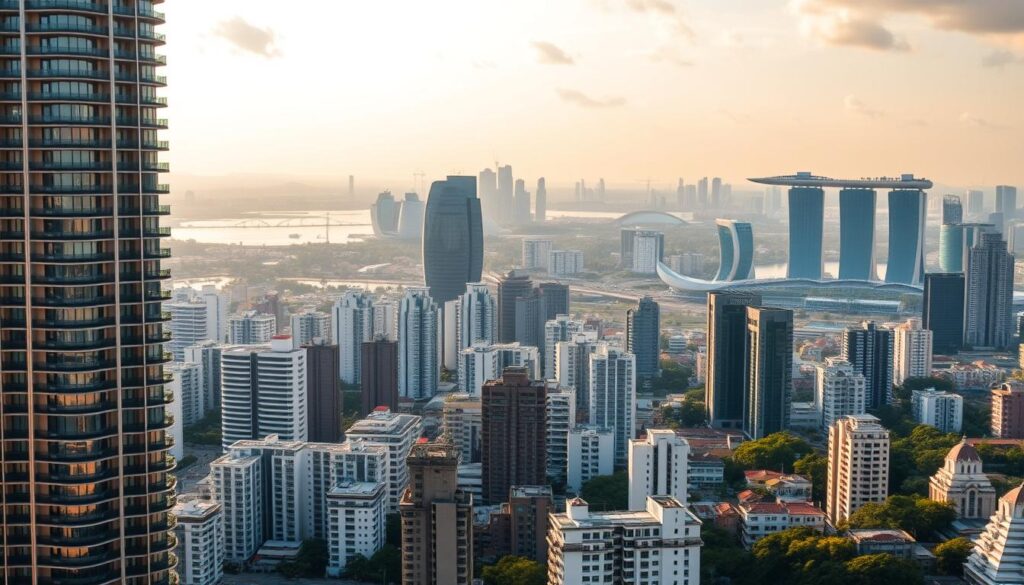
As Singapore’s property market grows, experts share their views on future prices. They see a bright outlook, thanks to the country’s strong economy and stable politics. This optimism is seen in the housing price trends, hinting at steady value increases.
Expert Opinions
Real estate experts stress the need for steady growth. They believe property values will rise but at a slow pace. This slow growth is seen as a positive, making the market stable and appealing to investors.
Economic Forecasts
Economic forecasts are mixed but mostly positive. Growth is expected to continue, but outside factors could change things. Issues like gas supply changes and global market shifts might affect prices. Keeping an eye on these factors is key to understanding future property prices.
Potential Challenges Ahead
Despite the positive outlook, challenges are ahead. Market ups and downs and global economic worries could shake investor confidence. It’s important for everyone to stay alert and adjust plans as needed, based on the latest housing price trends.
Investment Opportunities in the Market
The Singapore property market has many investment options for different tastes and budgets. It’s important to know the pros and cons of buying versus renting. Each choice affects your finances and lifestyle differently.
Buying vs. Renting
Owning property can help you build wealth over time. It often increases in value, making it a solid investment. Renting, though, offers flexibility and lower upfront costs. It’s good for those who value mobility or are unsure about their future plans.
Long-term vs. Short-term Investments
In Singapore, you can choose between long-term and short-term property investments. Long-term investments tend to grow steadily, making them less risky. Short-term investments, like flipping properties, can make quick money but need careful planning and market insight.
Diversifying Your Portfolio
Diversifying your property investments is key. Consider different types of real estate, like homes, offices, and warehouses. This strategy helps reduce risks and increases growth chances. By keeping up with market trends, you can better handle changes and find new opportunities.
Tips for First-time Buyers
Entering the Singapore property market can be daunting for first-time buyers. Knowing key factors can make the process easier. It’s important to understand singapore property prices and housing trends in Singapore. Buyers should make a detailed checklist to help them and avoid surprises.
Essential Checklists
- Determine your budget and understand your financial limits.
- Research loan eligibility and explore financing options such as bank loans or government grants.
- Stay updated on grants for new homeowners, like CPF housing grants.
- Inspect the property thoroughly, assessing its condition and maintenance costs.
Common Pitfalls to Avoid
- Avoid trying to time the market for the best price; it often leads to missed opportunities.
- Do not underestimate the additional costs associated with property purchases, such as taxes and renovation expenses.
- Neglecting to conduct thorough research about the property location can result in unexpected issues.
Resources for Buyers
Many resources are available to help first-time buyers navigate the property market. Government agencies offer materials on legal and financial aspects. Local real estate websites also provide insights into housing trends in Singapore, making the decision easier.
Frequently Asked Questions about Singapore Property
Many people have questions when they look into the Singapore property market. They often ask about who can buy what, how government policies affect them, and how to deal with banks. Knowing these things is key, given the fast-changing prices and trends in the market.
Common Queries and Concerns
People often worry about whether they can buy certain types of properties. They might compare private condos to public housing. They also ask about financing and the extra stamp duty for buyers. Answering these questions helps buyers feel more confident in the competitive real estate scene.
Understanding Market Jargon
It’s important to understand the market’s terms, like “cash over valuation” and “leasehold.” Knowing these words helps buyers talk better with agents and lenders. This leads to smarter choices in the complex world of property deals.
Where to Find More Information
For more on Singapore property prices and trends, there are many resources. Government websites have key data, and local forums are great for sharing tips. Using these sources can help buyers make smart decisions in this fast-paced market.


