Insights into the Booming Singapore Property Market
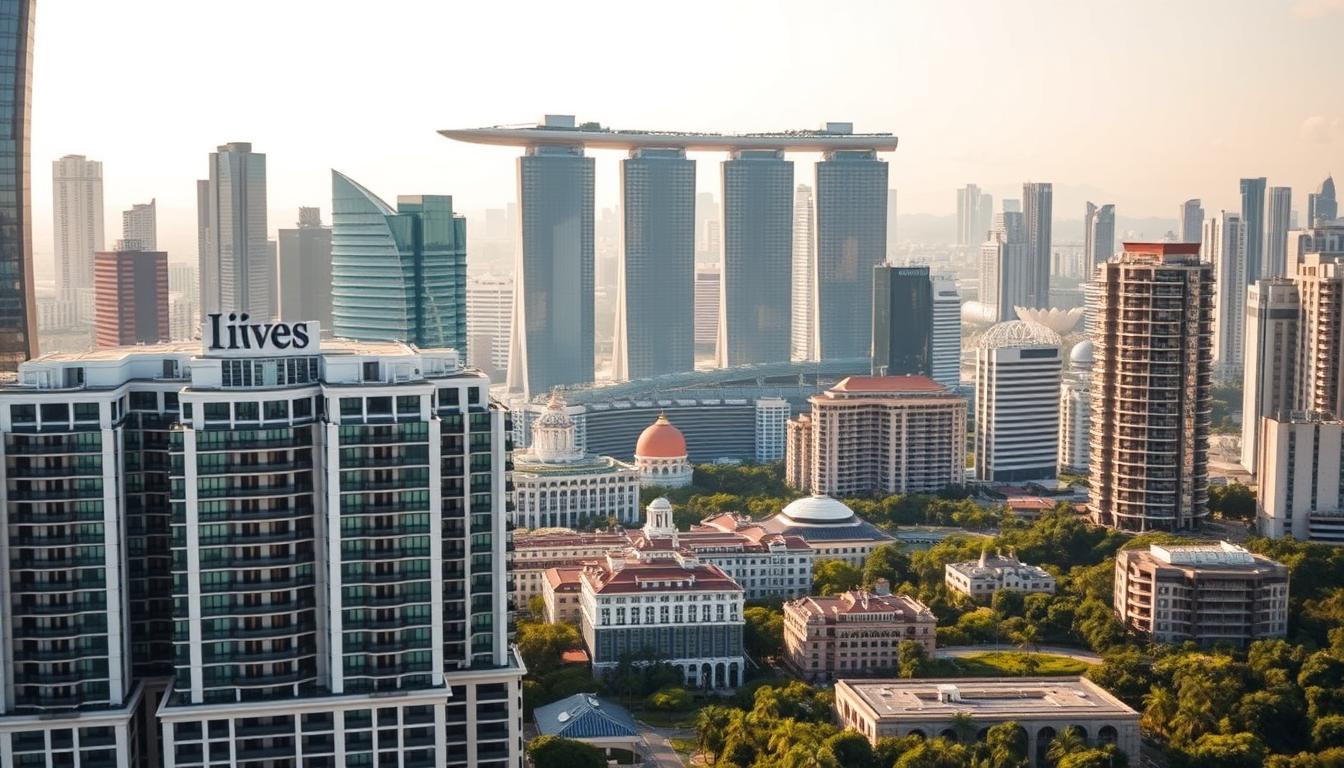
The Singapore property market is a key part of the country’s strong economy. It shows steady growth and is very resilient. This market attracts both local and foreign investors because of its strategic location and stable rules.
Property prices have gone up a lot. This is because of government policies, urban plans, and a growing interest in luxury homes. The market is changing due to new people moving in, foreign money coming in, and government actions to keep things stable.
Key Takeaways
- The Singapore property market is vital for the economy, showing steady growth.
- Government efforts are key in boosting property investment in Singapore.
- Luxury homes are more popular among both local and international buyers.
- Changes in demographics and foreign investments are changing the market.
- Rules are important to keep the real estate market balanced.
Overview of the Singapore Property Market
The Singapore property market has seen big changes over time. It has shown steady growth, even when the economy was down. Knowing these trends is key for those looking to invest in this lively sector.
Historical Growth Trends
The property market in Singapore has grown steadily, even during tough times. For example, during the 2008 global crisis, prices bounced back quickly. This shows the market’s strength and resilience.
Recent data shows a 1.0% growth in property prices by Q2 2025. The high-end market, like the CBD, is seeing strong demand. This is due to solid regulations and market behavior.
Current Market Dynamics
The Singapore real estate market is complex today. It has high vacancy rates but steady demand. Investors face risks from too much supply.
Recent policy changes are affecting the market. These changes aim to stop speculative buying. Investors need to adjust their plans to these new rules and trends.
Factors Driving Demand in the Singapore Property Market
The demand for property in Singapore is driven by two main factors. These are urbanization and population growth, and the economic stability. As Singapore becomes a global business hub, more people move to cities. This increases the need for homes and business spaces.
Investors see these trends as signs of a strong property market. This makes them more interested in investing in Singapore’s properties.
Urbanization and Population Growth
Urbanization is a big reason for the demand in Singapore’s property market. More people move to cities for jobs and better living. This means there’s a big need for homes and business spaces.
Economic Stability
Economic stability boosts investor confidence in Singapore’s property market. The government’s policies and a strong legal system help. Even though GDP growth is slowing, investors are optimistic about interest rate cuts by the Monetary Authority of Singapore (MAS).
This economic situation makes Singapore’s property market appealing to both local and international investors.
Key Areas of Investment in Singapore
In the dynamic landscape of property investment Singapore, certain locations stand out. These areas promise high returns and show strong demand. They are key spots for investors to consider.
Central Business District
The Central Business District (CBD) is a top choice for the wealthy and big companies. It offers top-notch commercial properties. Its prime location means easy access and a steady flow of professionals, leading to high rental income.
Investing in the CBD means your property will always be in demand. It also comes with the prestige of being in a famous area.
Residential Hubs
Residential hubs in the Rest of Central Region (RCR) and Outside Central Region (OCR) are becoming more popular. They attract both new buyers and those upgrading from HDB flats. The rise in resale activity shows a strong market for homes.
This trend highlights these areas as some of the best for property investment in Singapore.
Government Policies and Their Impact
The Singaporean government shapes the property market with its policies. These policies aim to stabilize the market and make homes affordable. Property cooling measures are key to curb speculation and keep the market balanced.
These measures affect local buyers and shape the overall property market forecast in Singapore.
Property Cooling Measures
Recently, the government introduced the Additional Buyer’s Stamp Duty (ABSD). It aims to reduce speculative buying in the residential market. This policy makes buying multiple properties more expensive, discouraging short-term investments.
The Seller’s Stamp Duty (SSD) has also changed. Now, sellers must hold properties for at least four years. This change encourages longer-term ownership, promoting a sustainable market and fair housing access.
Incentives for Foreign Investors
To balance cooling measures, the government offers incentives for foreign investors. Programs like the Overseas Networks & Expertise Pass make Singapore more attractive for investment. These incentives help the property market stay strong, positively impacting forecasts.

Types of Properties Available in Singapore
Singapore’s real estate market offers a wide range of properties. These include homes, offices, and industrial spaces. Each type caters to different needs and budgets, with prices varying across segments.
Residential Properties
The residential market in Singapore features apartments, condos, and landed homes. There’s a growing demand for luxury condos, pushing up prices. People want to live in the city and enjoy its amenities.
Landed homes, on the other hand, appeal to families. They offer more space and privacy.
Commercial Properties
The commercial sector is booming as businesses evolve. Offices, retail, and mixed-use projects are in demand. This is due to digital changes and shifting consumer habits.
Developers are responding by creating co-working spaces and lifestyle retail. This drives price changes in the market.
Industrial Properties
Industrial properties are also thriving in Singapore. The country’s location makes it attractive for logistics and manufacturing. Warehousing and light industrial spaces are gaining traction.
This is thanks to the growth of sectors like semiconductors and e-commerce. Industrial properties are becoming a solid investment choice, with the need for strong supply chains on the rise.
The Role of Foreign Investment
The singapore real estate market analysis shows a big impact from foreign investment. This has changed how people buy and sell properties. International buyers like Singapore’s strong laws and good property deals, mainly in luxury areas. New rules have changed how foreign investors plan their moves.
Popularity Among Overseas Buyers
Foreign investment is high, showing ongoing interest from buyers around the world. Several things make Singapore appealing:
- The stability of Singapore’s economy and political environment.
- Exceptional rental yields in premium property segments.
- A favorable exchange rate, making investments more attractive.
Recent Market Changes
With more foreign investment, new rules have changed how buyers act. The market shows:
- Increased focus on diversifying investment portfolios.
- A trend towards long-term holds as opposed to quick sales.
- A rise in partnerships between local developers and foreign investors.
Property Financing Options
Singapore offers a wide range of property financing options for homebuyers. You can choose from traditional home loans or explore government grants and schemes. Knowing what you qualify for is key when investing in property.
Home Loan Eligibility
Getting a home loan in Singapore depends on several factors. The Total Debt Servicing Ratio (TDSR) and Loan-to-Value (LTV) ratios are key. Lenders check your income, debts, and credit history to see if you can afford the loan.
- Monthly income
- Existing debt obligations
- Credit history
This ensures you’re not borrowing too much. It helps keep the property market stable.
Government Grants and Schemes
First-time homebuyers in Singapore can get help from government grants and schemes. Programs like the CPF Housing Grant and Fresh Start Housing Scheme are available. They aim to make buying a home more affordable.
- CPF Housing Grant
- Fresh Start Housing Scheme
These initiatives help people buy their first home. They’re important in a competitive market.
Market Challenges and Risks
The singapore property market has many challenges and risks. Economic ups and downs are big factors. They can make investors unsure about their choices.
Changes in interest rates are a big deal. They affect how much it costs to borrow money and how much properties are worth.
Economic Fluctuations
Economic stability is key for the property market. Global economic performance, trade tensions, and demand changes create uncertainty. Investors need to watch these closely.
These factors can change property prices and the market’s overall health. It’s important to stay informed.
Regulatory Risks
New rules can make investing in property harder. Stricter lending and cooling measures can stop some investors. It’s a complex situation.
Investors must understand these rules to make good choices. Knowing the challenges and risks helps in planning a solid investment strategy.

Future Predictions for the Singapore Property Market
The property market in Singapore looks promising but also careful. New developments will change urban areas, leading to more demand. The Greater Southern Waterfront project, for example, aims to create lively communities and jobs, boosting real estate.
Upcoming Developments
Big changes are coming that will shape the property market. Here are some key ones:
- The Greater Southern Waterfront project will improve connections and offer various homes and businesses.
- Old urban areas will get a makeover to attract young people and businesses.
- Public transport will grow, making it easier to get around the city.
Market Outlook for Investors
Investors should be cautiously optimistic. The market expects strong growth thanks to better infrastructure and a solid job market. Despite rules, demand for homes and businesses will likely rise. This shows a stable economy and growing population. Investors should watch these trends to stay ahead.
Sustainability Trends in Property Development
In Singapore, the push for environmental care has made sustainability trends in property development key. The government backs eco-friendly efforts, pushing developers to lessen their environmental footprint. This move meets the growing need for green buildings and tackles climate change issues.
Eco-Friendly Initiatives
Singapore shows its green commitment through recent projects. The Tengah smart eco-town is a prime example. It uses energy-saving tech and designs to cut down on carbon emissions. It also has green areas, building a community that cares for the environment.
Green Building Standards
Green building standards are now a must. New rules will make sure new buildings are eco-friendly. This push makes developers think creatively, making cities better places to live in Singapore.
How to Navigate the Singapore Property Market
Entering the Singapore property market can be tricky. It’s key for buyers and investors to have the right tools and advice. Getting professional help in Singapore can clear up legal issues, trends, and how to invest wisely. Knowing how to do market research helps understand property prices, where to invest, and market changes.
Seeking Professional Advice
Real estate experts offer vital guidance when buying a property. They know the local market well, which is important for smart choices. They can help in many ways, such as:
- Finding properties that fit your budget and likes.
- Understanding the legal side of buying a property.
- Creating investment plans that match the market.
Understanding Market Research
Good market research is essential for real estate success. Important things to look at include:
- Watching price changes to find good deals.
- Seeing how many sales happen to know demand.
- Keeping up with laws that might change property values.
The Role of Technology in Property Transactions
In Singapore’s property market, technology is becoming more important. Real estate apps have made buying and selling easier. They let users look at listings and talk to each other, making deals smoother.
Virtual tours and showings are changing how we see properties. With 3D technology, people can explore homes online. This saves time and lets buyers see more options without leaving their homes.
More people are using proptech, which will make things even better. As tech grows, it meets the needs of today’s buyers. For those in the real estate world, using these tools is key to success in Singapore.


