Rental Properties in Singapore: Find Your Perfect Home

The rental market in Singapore is full of choices for those searching for a place to rent. You can find everything from luxury high-rise condos to cozy HDB flats and shared spaces. With more people looking for the best places to rent, websites like Rently are making it easier to connect landlords with tenants.
Key Takeaways
- Singapore’s rental market is diverse, with many property types.
- Renters can find options from luxury condos to HDB flats.
- Online platforms simplify the process of finding rental properties.
- Understanding local regulations is key for tenants.
- Networking can help find rental opportunities.
- Different neighborhoods offer various lifestyles and preferences.
Understanding the Rental Market in Singapore
The rental market in Singapore is lively, with many options for all tastes and budgets. As more people look for homes, the rental market is getting busier. It’s important for renters and landlords to know what’s happening in the market.
Overview of the Rental Landscape
Singapore’s rental market offers a wide range of homes. You can find affordable HDB flats or luxury condos. This variety means there’s something for everyone on the island.
Current Trends Affecting Rent Prices
Recently, the rental market has seen big changes. More people are looking for deposit-free rentals, thanks to new services like Rently. Economic changes and more expats have also affected prices. It’s key for renters to stay informed about these changes.
Types of Rental Properties Available
There are many types of rentals in Singapore, fitting different lifestyles. Some popular ones include:
- HDB flats, which are affordable for locals.
- Private condos, known for their luxury and amenities.
- Landed properties, great for big families who need more space.
Popular Neighborhoods for Renters in Singapore
Location is key when looking for the best rental properties in Singapore. Each area caters to different lifestyles and preferences. You can choose from lively urban spots to peaceful family-friendly areas.
Exploring Central Business District (CBD)
The Central Business District is a top pick for expats and professionals. It’s close to work, making it convenient. With high-rise apartments, malls, and restaurants nearby, it offers a cosmopolitan lifestyle.
This area is one of the best for finding rental properties in Singapore. It’s perfect for those who love city life.
Family-Friendly Areas
Holland Village and Bukit Timah are great for families. They offer spacious homes and parks. These areas are known for their excellent schools.
They provide a balanced environment for families. The amenities and community feel make them attractive for family rentals.
Up-and-Coming Districts
Young professionals might like Tanjong Pagar and East Coast. These areas are new and trendy. They offer stylish apartments at good prices.
Renters can find modern rental properties here. It’s a great place to find what you need for a modern lifestyle.
What to Consider When Renting in Singapore
Renting a property in Singapore requires careful thought. You need to understand lease terms, rental prices, and hidden costs. This knowledge helps make better decisions and ensures a smooth renting experience.
Lease Terms and Conditions
It’s important to read and understand lease terms. Look at the lease duration, payment schedules, and how to end the lease. Knowing these details can avoid problems during your rental time.
Rental Price Guidelines
Rental prices in Singapore can vary. Knowing the average rents in different areas helps avoid overpaying. Use property listings and market analyses to guide your choices.
Hidden Costs of Renting
There are often hidden costs when renting. These can include service fees, maintenance charges, and utility bills. Reading your tenancy agreement carefully can reveal these extra costs. Knowing about these costs helps with budgeting.
Key Regulations for Renting Property in Singapore
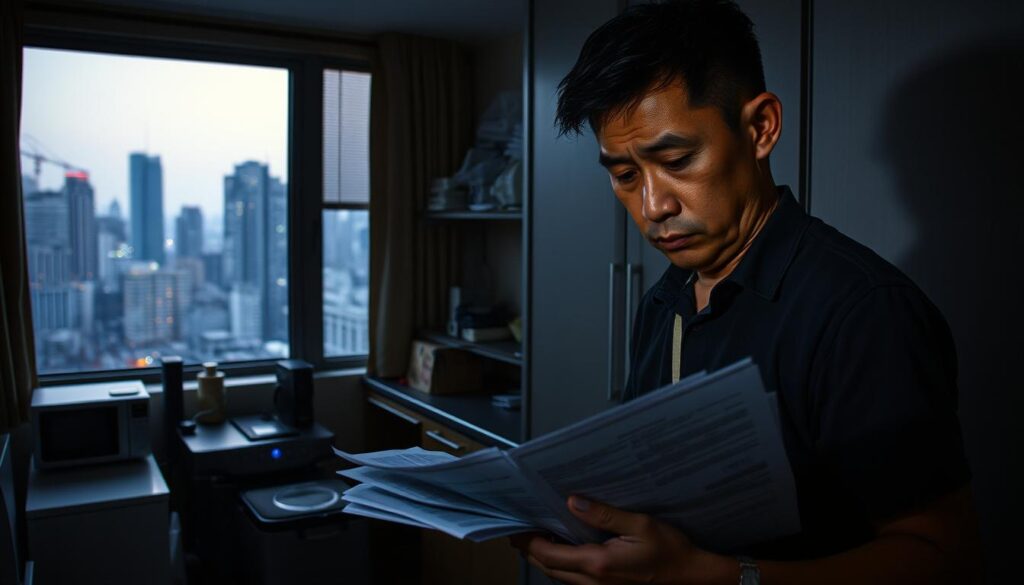
Renting in Singapore has a detailed legal system to protect both tenants and landlords. It’s key for renters to know the main laws about tenancy. These laws help avoid problems and make living together easier. Here are some important things about managing rental properties in Singapore that tenants should know.
Overview of Tenancy Laws
The laws about rental agreements in Singapore aim to balance the rights and duties of both sides. The Residential Tenancies Act is a key guide for tenancies. It clearly explains the landlord-tenant relationship, including what counts as a breach and its consequences.
Tenants need to know their duties, like paying rent on time and keeping the property in good shape. They also have rights under this law.
Importance of Written Agreements
A written tenancy agreement is very important. It outlines the terms and conditions agreed upon by both sides. This includes the rent, lease length, and any property use rules.
Having a clear written agreement helps avoid misunderstandings. It gives both parties a clear reference in case of disagreements. For effective rental property management in Singapore, the value of these documents is huge.
Tenant Rights and Responsibilities
Tenants in Singapore have certain rights, like the right to a safe living space and timely repairs by the landlord. They should report any issues to keep the rental relationship healthy. Also, they need to know how to handle disputes to keep things positive during the lease.
Tips for Finding Your Ideal Rental Property
Finding the right rental property in Singapore needs a smart plan. Using different methods can make your search better. With so many rental options, being proactive is key.
Utilizing Online Platforms
Online sites are vital for finding rental properties in Singapore. Sites like Rently offer many choices. You can filter by location, price, and type of property. This makes finding the right place easier.
Working with Real Estate Agents
Real estate agents can make finding a rental easier. They know the market well and have access to exclusive listings. Their help ensures you make the best choice.
Networking with Locals
Talking to locals can reveal hidden gems. Joining local forums or asking residents can lead to great finds. Local tips offer deep insights into neighborhoods.
Furnished vs. Unfurnished Rentals in Singapore
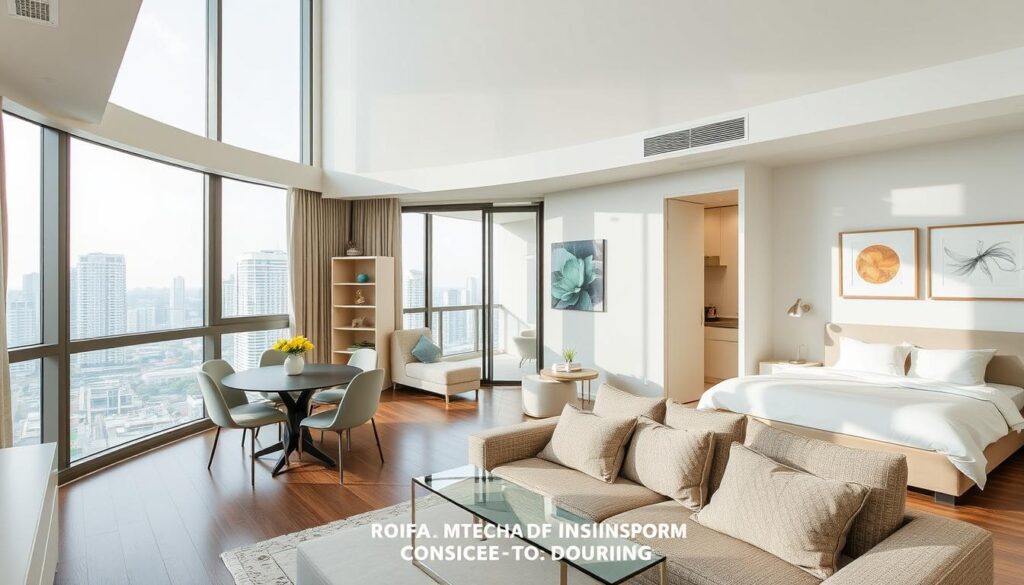
Choosing between furnished and unfurnished rentals in Singapore is a big decision. Each option has its own pros and cons. These depend on your lifestyle, budget, and how long you plan to stay.
Pros and Cons of Each Option
Furnished rentals offer comfort and convenience, great for those moving or on short-term stays. The benefits include:
- Time-saving: Move in without the hassle of furnishing an apartment.
- Flexibility: Ideal for short-term stays where long-term commitment is not practical.
- Included amenities: Many furnished rentals come equipped with essential items, reducing initial costs.
But, furnished rentals can be pricey, which might not fit every budget. Unfurnished properties offer:
- Personalization: Renters can decorate and furnish according to their style and needs.
- Cost-effectiveness: Generally lower monthly rents and no cost for furniture purchase.
- Longer-term suitability: Better fit for those who plan to stay for an extended period.
Ideal Situations for Furnished Rentals
Furnished rentals are best for certain situations, like:
- Short-term relocations or business assignments.
- Renters without existing furniture or those who prefer not to invest in furnishings.
- Individuals testing the waters in a new area before making a long-term commitment.
Cost Considerations
Cost is a key factor in choosing between furnished and unfurnished rentals. Furnished rentals usually mean a higher monthly rent. It’s important to compare costs, including:
- Monthly rental fees.
- Security deposits and possible extra charges.
- Savings or expenses from buying or leasing furniture separately.
Understanding the Costs Associated with Renting
Renting a property in Singapore means more than just paying rent each month. It’s important to know all the costs involved. This helps you avoid spending too much and plan your budget better.
What to Expect in Security Deposits
In Singapore, most rentals ask for a security deposit, usually one month’s rent. This deposit protects the landlord from damage or unpaid rent. Make sure you understand the deposit terms before signing the lease.
Monthly Rental Fees Breakdown
Rental costs vary a lot, depending on the property and where it is. When planning your budget, remember to include:
- The base rent for the property
- Costs for utilities like water and electricity
- Charges for maintenance and management
Knowing these costs helps you find affordable rentals that fit your budget.
Additional Charges to Consider
There are extra costs to think about too:
- Internet and cable subscriptions
- Home insurance (if needed)
- Parking fees for cars
Considering these extra costs keeps your finances stable. It gives a full picture of living in affordable rentals in Singapore.
The Application Process for Renting in Singapore
Finding a good rental property in Singapore means following a detailed application process. You need to prepare a complete rental application to stand out in this competitive market. A well-made application can help you get the property you want.
Preparing Your Rental Application
Getting ready for your rental application is essential. Start by gathering your personal info, like contact details and work history. Show your financial stability with income proof. Write a personal statement to explain why you’re a great tenant, highlighting your responsibility and tidiness.
Required Documentation
When you apply for a rental in Singapore, having the right documents is key. You’ll need:
- Proof of employment, like a job offer letter or recent pay slips.
- Identification documents, such as your ID or passport.
- Bank statements to show your financial health.
- References from past landlords or employers, if you have them.
Having all your documents ready and accurate can greatly improve your chances of getting approved.
Tips for a Successful Application
To make your rental application in Singapore successful, follow these tips:
- Apply as soon as you can to beat other applicants.
- Be honest about your background and rental history.
- Communicate well with landlords or agents, showing your interest in the property.
- Politely follow up after applying for feedback or updates.
By preparing your application well and following these tips, you’ll have a better chance of finding a rental property in Singapore.
Moving into Your New Rental Property
Moving into a new rental in Singapore needs careful planning. This ensures a smooth transition. Taking the right steps before moving in can save time and prevent problems later.
Essential Steps Before Moving In
Doing a detailed walkthrough of your new place is key. It helps you note any issues before you start your lease. This step is good for both you and the rental management in Singapore, as it helps solve any future problems.
Setting Up Utilities and Services
Setting up utilities like water, electricity, and internet early makes moving easier. Contact service providers to schedule installations before you move. This way, all services will be ready when you arrive, making your new place more comfortable.
Creating a Comfortable Living Space
Adding your personal touch to your new rental makes it feel like home. Think about adding home decor and items that show your style. A cozy and welcoming space will make your rental in Singapore feel like your own.
Living as a Renter in Singapore
Living in a rental property in Singapore is a unique chance to dive into the city’s lively culture and close-knit communities. Renters can really benefit from getting involved in local customs, events, and social gatherings. Making friends with both expats and locals helps you feel at home and makes life better.
Community Integration and Culture
To really get into life in Singapore, renters should get to know their neighborhoods. By joining local festivals, groups, or cultural events, you can have amazing experiences. Here are some tips to connect with your community:
- Join local clubs or sports teams.
- Attend community workshops or cultural events.
- Volunteer with local charities.
Local Amenities and Services
Having access to amenities is key to a good rental experience. Singapore has lots of facilities that make daily life better. Here are some local amenities to check out:
- Supermarkets for grocery shopping.
- Parks and recreational facilities for outdoor activities.
- Healthcare services and clinics for medical needs.
Transportation Options
Singapore’s public transport system makes getting around easy for renters. With buses and trains covering the city, traveling is convenient. Here are the main transport features:
- Mass Rapid Transit (MRT) for quick travel.
- Extensive bus routes reaching suburban areas.
- Taxi services and ride-sharing options for added convenience.
Resources for Renters in Singapore
Finding the right resources is key when navigating the rental market in Singapore. Whether you’re new to renting or looking to renew your lease, the right info can make a big difference. Luckily, many tools and platforms are here to help you make smart choices.
Recommended Websites and Apps
Platforms like Rently offer a wide range of rental properties in Singapore. You can filter by your preferences and budget. Websites and apps also have community reviews, giving you a peek into different areas and properties. These digital tools can make your search easier and help you find the ideal place to rent.
Local Support Networks
Connecting with local support networks is very helpful when renting. Social media groups share tips and experiences about renting in Singapore. These networks can help with any rental problems, making you feel supported and informed on your housing journey.
Government Resources for Tenants
The Singapore government has resources for tenants, like guidelines on rights and responsibilities. The Housing & Development Board (HDB) offers info on rental schemes and financial help. Knowing about these resources can make the rental environment more supportive, empowering tenants to stand up for themselves.


